
Leave the Car Behind, Find the Lake Ahead


Choosing the Right Region
Start by comparing regions with reliable rail or coach links, community shuttles, and short ferry crossings, then weigh amenities like grocery delivery, gear rentals, and walkable villages. Consider distance from the final station, terrain for walking or cycling, and seasonal service patterns. Prioritize places with clear communication from hosts, posted route maps, and flexible arrival windows, so every connection feels like part of a welcoming, well-orchestrated journey.
Transit Timetables That Actually Work
Match arrival times to key milestones: grocery hours, cottage check-in, and daylight for a beautiful last stroll. Many rural routes have fewer departures, so build buffer time for an unhurried coffee or lakeside pause. Save offline schedules, set alerts for service updates, and screenshot stops. Planning around midday buses or evening trains often means quieter platforms, relaxed luggage handling, and a better chance of catching that golden-hour ferry glow.
Weather Windows and Shoulder Season Bliss
Car-free travel invites a flexible mindset, especially around weather. Shoulder seasons offer calmer trails, kinder prices, and easier bookings, while light rain can turn forests fragrant and cozy porches magical. Pack adaptable layers, waterproof covers, and quick-dry socks. Keep a warm café, small museum, or sauna session as your backup plan, transforming storms into stories rather than setbacks. The less you rush, the more nature rewards your patience and presence.
Getting There by Rail, Coach, and Ferry
Rail Lines That Love Weekenders
Coaches With Luggage-Friendly Policies
Ferry Crossings as Part of the Vacation
Last-Mile Magic: Bikes, Boots, and Local Shuttles
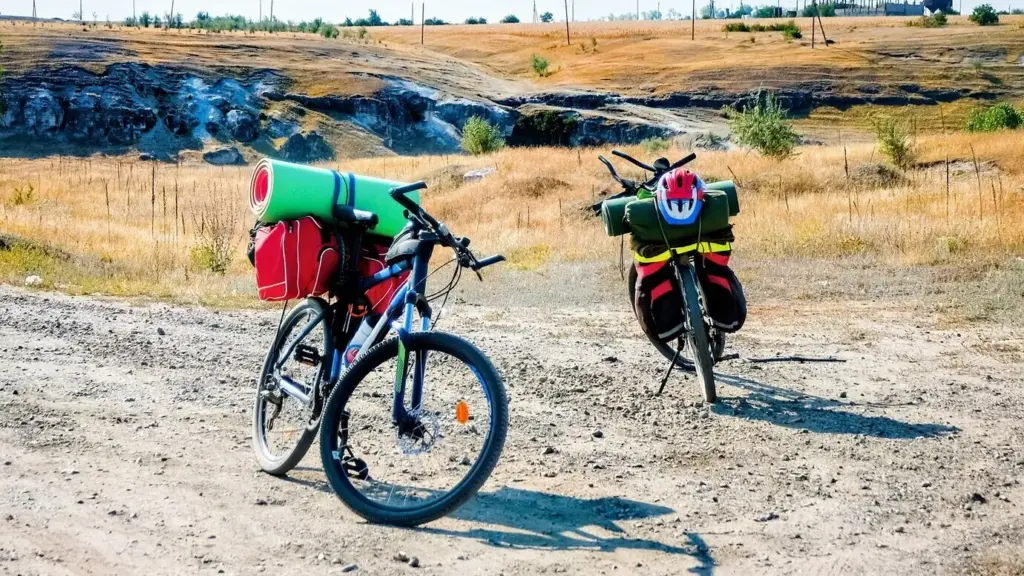
E-Bike Rentals Change the Radius
Walkable Loops and Heritage Trails
Talking to the Lodge Owner
What to Pack for a Hands-Free Weekend
Food, Community, and Low-Impact Fun
Plan a Market-to-Deck Meal
Arrive with a simple menu and adapt joyfully to what is ripe and local. Fresh corn, lake fish, wild blueberries, and herbed butter turn porches into kitchens under open skies. Ask vendors for cooking tips and storage advice. Pack a small cooler sleeve for delicate treats. Eating where ingredients traveled minutes instead of miles celebrates the place, supports neighbors, and tastes like gratitude plated with sunset light.
Quiet Adventures for All Ages
Paddle a shoreline before breakfast, swim a little loop between docks, or wander a mushroom trail with a guide who knows stories as well as species. Keep voices low near nesting sites and give anglers room. Bring a curiosity-first mindset and leave rigid itineraries behind. When activities suit the lake’s tempo, families relax, couples reconnect, and solo travelers find conversations as effortless as stones skipping across still water.
Respect, Repair, and Leave No Trace
Tread gently: pack out microtrash, reuse bags, and keep fires modest and mindful. Stay on trails to protect roots and habitats, and skip soaps in the lake entirely. Choose repair over replacement when a zipper sticks or a strap loosens. Share surplus food with neighbors or staff before departure. Being a considerate guest builds goodwill that outlasts weather, ensuring future visitors inherit the same hush and clarity you enjoyed.
Step-Free Paths and Helpful Hosts
Weather Alerts and Plan B
Make It Yours: Itineraries, Stories, and a Warm Invitation
Share Your Favorite Connection
Join the Lakeside Letter