
Leave the Keys, Keep the Snow: Cozy Winter Cottage Escapes

We are exploring Winter Car-Free Cottage Retreats: Snowshoe, Ski, and Shuttle Options to show how liberating a mountain weekend can feel when the only tracks you make are on powder and wooden floors. Learn to choose walkable cabins, connect regional trains with dependable shuttles, pack cleverly, and start gliding or crunching from the door. Expect practical routes, safety cues, and honest traveler anecdotes about missed transfers that became magical twilight walks. Subscribe for fresh route ideas, ask questions in the comments, and share how you turned a storm forecast into the quietest journey of the season.

Finding the Right Cottage Without a Car

The right winter base lets you step outside and immediately meet a groomed track, a snowshoe lane, or a shuttle stop, without trudging unsafe roads. Compare map layers, elevations, and walk times in daylight and darkness. Consider snowplow schedules, night lighting, and noise. Prioritize south-facing approaches that thaw sooner, and note whether the cottage path is regularly packed. The goal is a place where arrival, rest, and adventure align simply, calmly, and beautifully.

Smoother Arrivals by Train, Bus, and Shared Shuttle

Transit-led winter journeys thrive on buffers and clear handoffs. Build generous layovers at mountain junctions, choose one meeting point per transfer, and keep gloves handy so tickets and phones are easy to manage. Ask drivers about luggage space during holiday peaks. A traveler once told us missing a connection turned into a moonlit walk to the cottage, passing frost-laced pines and a creek whispering under ice. Sometimes delays rewrite the day into something quietly perfect.

Mastering the Last Mile

The final stretch sets the trip’s tone. Confirm whether the shuttle drops on a plowed lane or a packed trail, then decide between walking, snowshoeing, or towing a small sled. Share your arrival time with the host so pathways and porch lights are ready. Keep a compact headlamp in your pocket, not your pack. When the last mile feels calm and simple, the cottage door opens to warmth without a single stressed heartbeat lingering from the journey.
Packing Smart for Transit and Snow

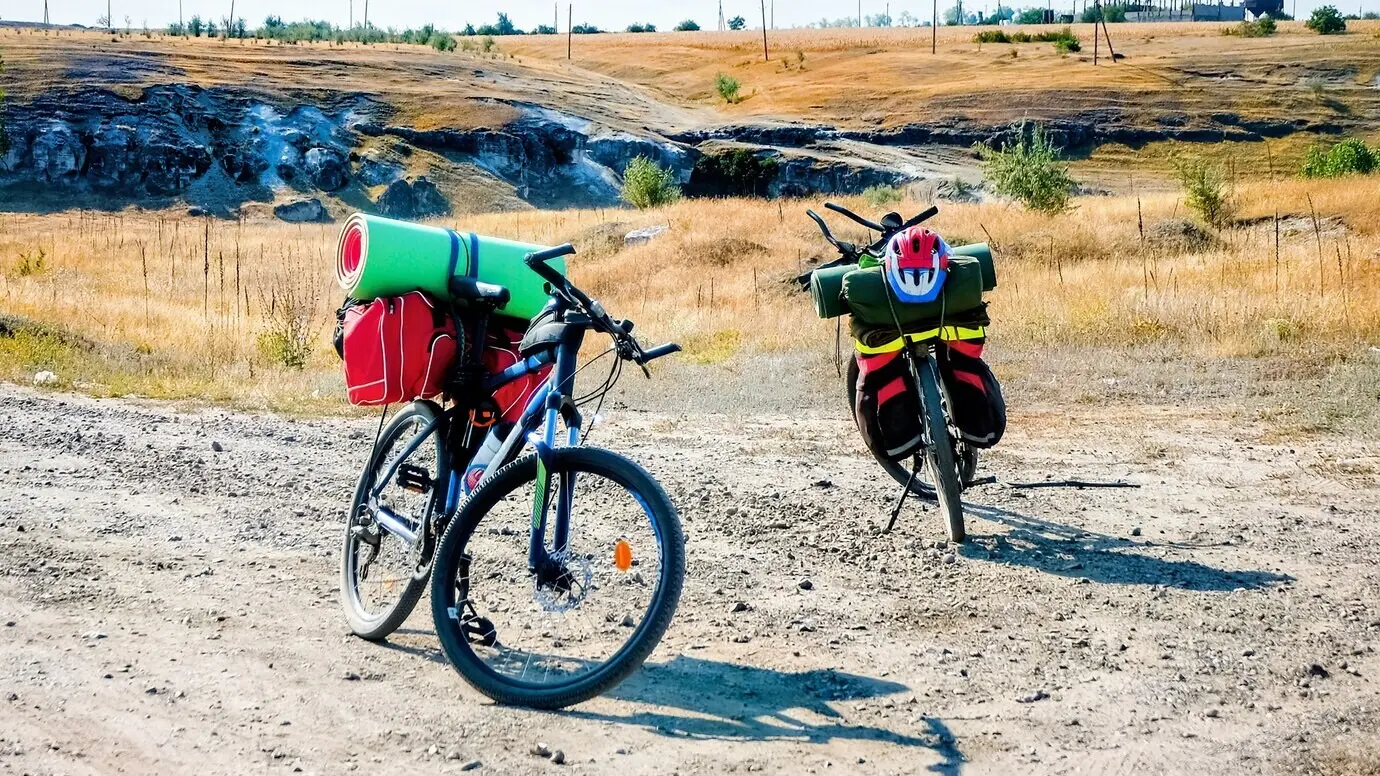
Choose one weatherproof duffel and wear your bulkiest layers. Use compression sacks for midlayers, and keep snacks in a side pocket you can reach while standing. Strap skis or snowshoes cleanly, protecting bus interiors and fellow passengers. A small dry bag guards maps, chargers, and documents from damp gloves. If you can carry everything up icy steps in one steady trip, you have packed well. Travel lighter, move easier, and save energy for the snow.
Ticket Hacks and Timing for Storm Days

Storms reshape timetables and opportunities. Travel off-peak to find extra seats for gear, and consider flexible fares when forecasts wobble. Check morning service advisories and subscribe to route alerts. Aim to arrive before heavy snow intensifies, then settle in while flakes stack outside. Many resorts run shuttles longer on powder evenings. By aligning your tickets with weather windows, you trade hassle for hush, letting storm energy refill the mountain while your plans stay effortless.
Snowshoe Adventures from Your Door

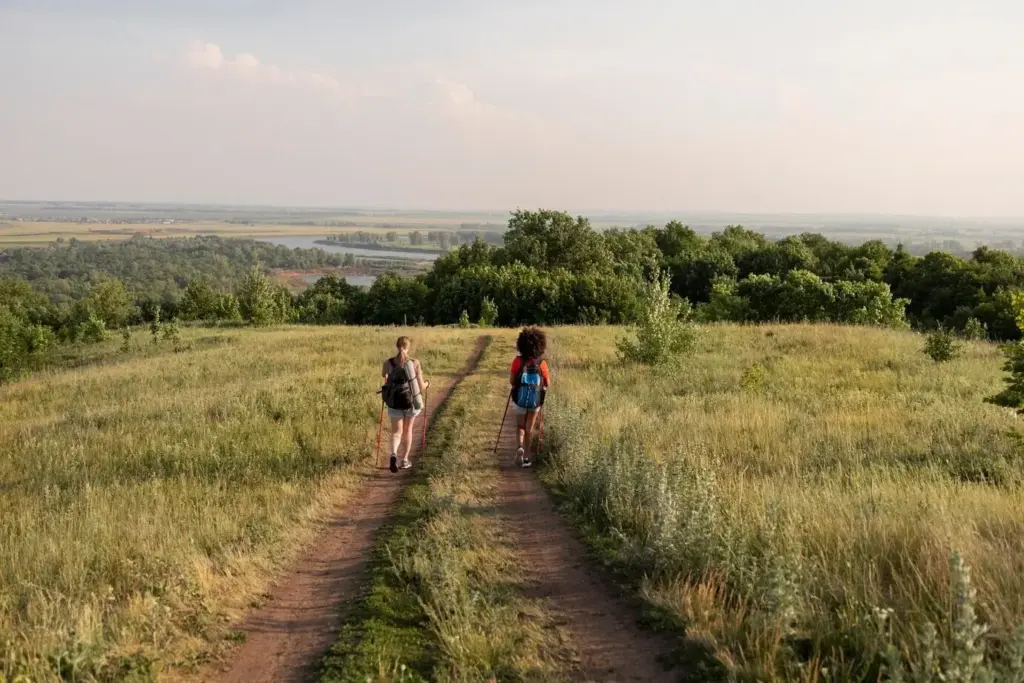
Snowshoes transform a cottage doorstep into an instant trailhead. Gentle forest loops, creek bridges, and ridgelet overlooks appear within a few measured steps. Prioritize marked routes, avoid freshly groomed ski tracks, and learn to read wind drifts as language, not obstacle. Carry a thermos and a simple repair kit. Leave early, return before dusk, and tell someone your plan. Every quiet crunch underfoot becomes part of a story you will want to share.

Reading Winter Trail Signs and Snow Conditions

Winter markings can hide under rime and shadow. Photograph the junction map, count paces between blazes, and watch how the snow crust changes with elevation. Windward edges can be scoured, leeward pockets deeper and slower. Respect ski-only corridors and avoid soft set tracks. If you turn around, note landmarks from the opposite angle. Confidence grows with small, accurate choices, and soon the forest becomes a recognizable friend rather than a white tangle of uncertainty.

Quiet Forest Loops and Wildlife Respect

Move gently and keep dogs leashed where required. Give wide space to animal tracks and avoid repeated passes near sheltered thickets. Snack breaks happen on durable surfaces like packed pullouts, not fragile creek banks. Whisper more, stomp less. Early starts reduce crowding and reveal fresh stories etched into the snow overnight. When you return with only memories and a clean route line, you have done winter’s quiet places a kindness they return with peace.

Night Walks with Headlamps and Stars

Start small: a familiar loop, full batteries, and a spare light in a pocket. Snow reflects and distorts distance, so check time more often than usual. Pause occasionally and switch off lamps to let the sky arrive, crisp and generous. Reflective trail markers help, but so does knowing the path by day. Hot cocoa waits back at the cottage, boot liners drying by the stove. Night becomes a soft companion instead of something to outrun.

Ski Days Without the Drive

Alpine lifts, nordic networks, and gentle touring all fit beautifully into a car-free plan. Village shuttles carry you to base areas, lockers simplify midday breaks, and a thermos turns lines into mini picnics. Keep weather-aware, respect closures, and match terrain to experience. If you step beyond resort boundaries, seek local guidance, carry proper safety tools, and know how to use them. Freedom here is measured by thoughtful decisions, not horsepower or parking luck.
Confirm shuttle frequency at first bell and final sweep. Stash spare layers in a base locker so you move lightly on the hill. Split lunch between a warm lodge soup and pocket snacks on quiet lifts. On storm days, choose tree-lined runs where visibility holds, then exit early to beat crowds to the return bus. When logistics feel seamless, each run stands out sharper, and the ride home becomes a gentle glide back to firelight.
Groomed nordic loops love riders who travel light. Rental shops near trailheads often suggest a simple wax choice for temperatures, and beginners thrive on wider green routes before stepping to rolling blues. Carry a small scraper, a snack, and a tiny map page. Stop to listen where the forest narrows and the track curves. You will find grace in the rhythm of poles and breath, and a shuttle seat waiting for content, happy legs.

Life Inside the Cottage

Evenings matter as much as snow. A well-placed drying line saves tomorrow’s feet, while a kettle hum turns into a ritual. Keep kindling dry, crack a window briefly when the stove is roaring, and rotate boot liners. A simple stew bubbles as stories settle. Bring a paperback, a deck of cards, and a notebook for tomorrow’s route notes. Unrushed hours stretch, making the cabin feel like a small, protective world you carry home inside you.

Warmth, Drying Lines, and Boot Care

Damp gear steals heat. Hang liners near, not on, heaters, and give gloves room to breathe. A thin cord strung above a chair dries layers while keeping walkways clear. Brush snow from zippers before bringing items inside to avoid melting into seams. Rotate items every hour and sip something warm in between. The next morning you will thank last night’s patient rhythm as you slide into dry, confident protection without a second thought.

Simple Meals with Big Comfort

Base meals around hearty staples that travel well: lentils, pasta, root vegetables, and a small spice kit. Pre-chopped onions in a sealed container make the first night effortless. Share cooking duties so everyone rests. Keep a thermos ready for side-porch stargazing. A warm bowl after snowy miles tastes astonishingly good, especially when eaten slowly by firelight. Good food, unhurried conversation, and a tidy kitchen become as memorable as any summit view or perfect turn.

Digital Quiet and Slow Evenings

Signal fades for a reason. Embrace it. Download maps for offline use, then tuck phones away after dinner. Play a short game, write a few lines about the day, and step outside to listen to the hush. Rest follows naturally when distractions thin. Set clothing for the morning, fill water bottles, and let the stove settle. In that quiet, you will feel how deeply simple plans and soft routines replenish the spirit and body.

Lighter Footprints and Community Connections

Going car-free lowers hassle and often reduces the largest slice of a winter trip’s emissions. More importantly, it changes your pace. You notice bakery hours, shuttle drivers’ names, and the rhythm of a village shaped by snow. Rent locally, learn a few place histories, and leave paths cleaner than you found them. Share practical tips with others, celebrate small improvements, and join conversations that keep mountain towns welcoming, resilient, and beautifully alive.

Why Car-Free Cuts Emissions and Stress

Travel often dominates winter getaway impacts. Trains and shared shuttles reduce both footprint and friction, replacing parking lots with unbroken snowfields and warm bus windows. No scraping windshields, no searching for spots, no idling engines. The time you used to spend worrying becomes time for stretching, breathing, and actually noticing the mountain. Sometimes the greenest choice is also the most humane, returning energy to the moments you came for in the first place.

Supporting Locals: Rentals, Bakeries, Small Lifts

When you rent skis in the village, buy tomorrow’s bread on the way back, and choose a small community lift for an afternoon, you weave yourself into the local winter economy. Your trip becomes a set of conversations, names learned, and places remembered. Those choices keep trails groomed, shuttles running, and windows glowing. Mountain towns thrive when visitors move gently and spend thoughtfully, turning brief stays into lasting support and mutual goodwill that outlives the snow.
Cognibiome
Privacy Overview

This website uses cookies so that we can provide you with the best user experience possible. Cookie information is stored in your browser and performs functions such as recognising you when you return to our website and helping our team to understand which sections of the website you find most interesting and useful.